The year 2026 marks a powerful shift toward the creative economy, where innovation, user experience, and problem-solving drive business growth. As industries continue to embrace digital transformation, the importance of design in business, technology, and society has increased significantly.
From mobile applications and smart devices to branding and digital experiences, design is shaping the way people interact with products and services. This growing demand has made the Bachelor of Design (B.Des.) one of the most sought-after career options after 12th.
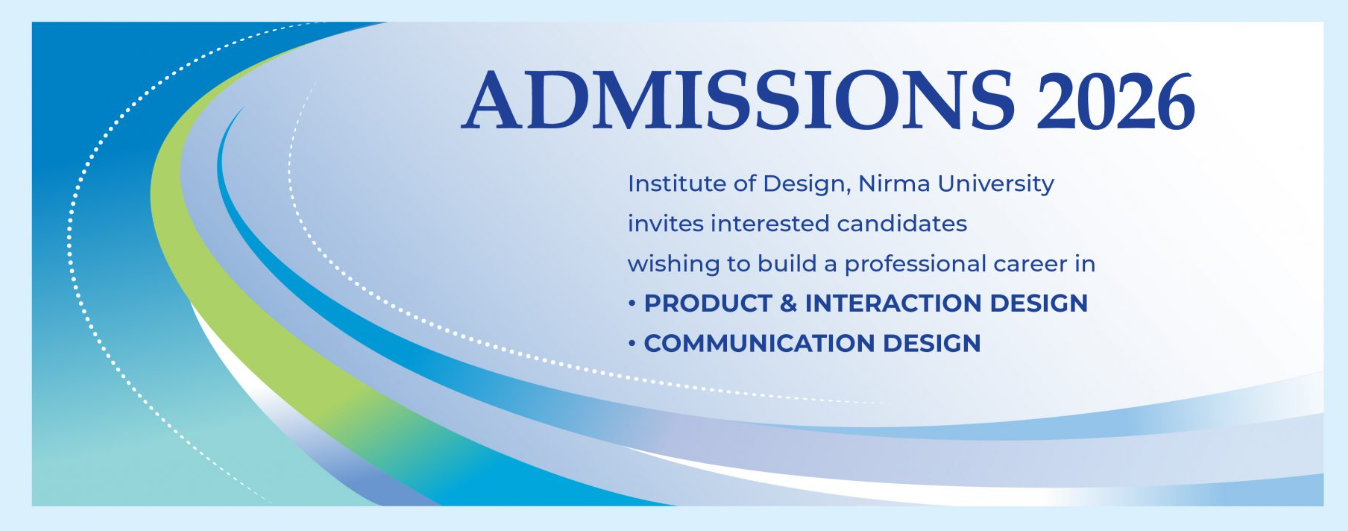
With Bachelor in Design Admissions 2026 now becoming a major focus for aspiring creative students, this is the perfect time to understand why B.Des. is a future-ready degree.
1. Design is Driving the Digital Revolution
The rapid growth of apps, digital platforms, and smart products has transformed the global marketplace. Every successful product today depends on strong design foundations.
User Experience (UX) and User Interface (UI) design have become central to product success. Businesses are investing heavily in design innovation to create seamless, intuitive, and engaging digital experiences. Designers are no longer just visual creators—they are strategic contributors to business growth.
2. Expanding Career Opportunities Across Industries
One of the biggest advantages of pursuing B.Des. in 2026 is its cross-industry demand. Designers are needed in:
- IT and technology companies
- Healthcare and wellness sectors
- Retail, e-commerce, and branding industries
- Media, entertainment, and advertising
- Education and social innovation initiatives
Design is no longer limited to one domain. It is becoming essential across all industries.
3. High Demand for Product & Interaction Designers
With the rise of smart devices and intelligent systems, product and interaction designers are in high demand. Modern industries require professionals who understand human-centered product development.
Skills in prototyping, CAD modelling, and 3D printing play a crucial role in developing innovative products. Companies are actively hiring designers who can combine creativity with technology to solve real-world challenges.
4. Rising Need for Communication Designers
The growth of digital marketing, branding, and online media has increased the need for communication designers.
Visual storytelling, content creation, brand identity development, and digital communication strategies are essential for businesses. Social media platforms, advertising agencies, and publishing houses rely on skilled communication designers to build impactful brand experiences.
5. Strong Salary Potential and Global Mobility
B.Des. graduates enjoy competitive entry-level salaries in India, with significant growth potential as they gain experience. International markets offer even higher earning opportunities, especially in UX/UI and product design roles.
Additionally, remote work and freelancing provide flexibility and global exposure, allowing designers to collaborate with clients worldwide.
6. Diverse Specializations and Emerging Fields
Bachelor of Design programs offer multiple specializations, including:
- Product & Interaction Design
- Communication Design
- UX/UI and Experience Design
- AR/VR and Game Design
- Sustainable and Social Design
These emerging fields ensure long-term relevance and adaptability in a rapidly evolving industry.
7. Focus on Real-World Problem Solving
Design education emphasizes design thinking methodology, which encourages innovation through research and experimentation.
Students learn user research, empathy-driven solutions, and practical problem-solving approaches. Designers create products and services that improve quality of life, enhance accessibility, and address societal challenges.
8. Opportunities for Higher Education and Research
After completing B.Des., students can pursue M.Des. programs in India and abroad. International certifications, exchange programs, and research opportunities further enhance career prospects.
Design also offers academic and research pathways for those interested in teaching and innovation.
9. Industry-Oriented Learning Environment
A strong B.Des. program provides:
- Studio-based and hands-on learning
- Live projects and internships
- Multidisciplinary exposure
Practical learning ensures that students are industry-ready from day one.
10. Choosing the Right Institution Matters
While pursuing B.Des., selecting the right institution plays a crucial role in career success. A structured foundation year builds essential design fundamentals, followed by specialization-focused advanced semesters that prepare students for professional roles.
Institutions like Nirma University offer a strong academic ecosystem, industry exposure, and a future-oriented curriculum that supports creative growth and innovation.
Conclusion
The year 2026 presents unmatched opportunities for aspiring designers. With the rapid growth of digital industries, expanding career options, global mobility, and emerging design fields, pursuing B.Des. is a smart and future-ready decision.
Students considering Bachelor in Design Admissions 2026 should explore programs that offer strong academic foundations, industry integration, and practical exposure. Choosing the right university can shape your creative journey and long-term success.
A career in design is not just about creativity—it is about innovation, impact, and building meaningful solutions for the future.